

Washington DC’s dense urban landscape and seasonal humidity foster relentless pest pressures, from rowhouse rodents to basement invaders. Homeowners face escalating threats that DIY fixes can’t conquer.
Presto Pest Control emphasizes that spotting early warnings prevents structural harm and health risks. Professional intervention restores safety swiftly in the nation’s capital.
1. Repeated Pest Sightings Indoors
Spotting pests multiple times isn’t coincidence, it’s proof of breeding colonies. Washington DC apartments and townhomes, with tight layouts, let roaches and ants thrive unnoticed at first.
- Cockroaches dashing across floors during daylight, signaling overcrowding.
- Mice or rats glimpsed in kitchens or along baseboards repeatedly.
- Ant trails snaking through living rooms despite nightly cleanups.
In DC’s Capitol Hill rowhouses, these glimpses demand action before numbers explode.
2. Droppings Scattered Strategically
Fecal pellets appear in hidden paths, marking active foraging routes. Washington DC’s older homes offer perfect nooks like attics and cabinets.
- Tiny black rice-like mouse droppings near pantries or appliances.
- Blunt-ended rat feces clustered in garages or under sinks.
- Roach capsules tucked behind furniture or in drawers.
3. Foul Odors Without Clear Source
Musty, urine-like smells linger from pest activity, defying air fresheners. Washington DC basements, damp from Potomac humidity, trap these scents.
- Ammonia whiffs from rodent urine soaking insulation.
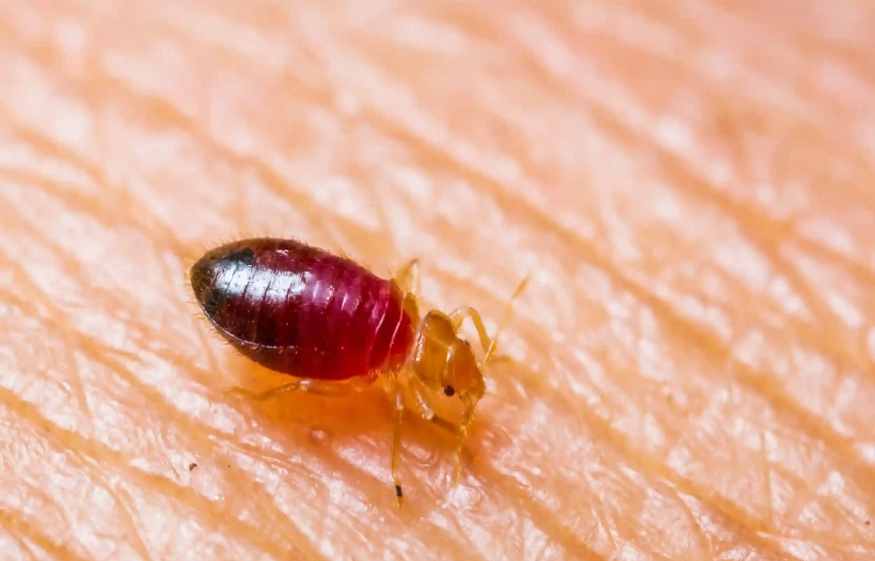
- Sweet decay from bed bug clusters in mattresses.
- Oily roach odors permeating cabinets.
Persistent smells confirm entrenched populations needing eradication.
Read More: How Professional Services Deal with Household Pests
4. Visible Structural Damage
Gnawing pests weaken frameworks silently. Washington DC’s historic properties, with wood beams and masonry, suffer most.
- Bubbling paint or sagging floors from termite tunnels.
- Chew marks on drywall or wood trim in Georgetown homes.
- Exposed wires frayed in utility closets, sparking fire risks.
5. Nocturnal Noises Disrupting Sleep
Scratching and scurrying echo through walls after dark. Washington DC’s quiet nights amplify these invasions.
- Rustling in ceilings from rats building nests.
- Gnawing sounds behind baseboards signaling carpenter ants.
- Squeaks in vents from mouse families relocating.
These disturbances reveal thriving infestations beyond reach of sprays.
6. Unexplained Skin Irritations
Bites or rashes emerge without outdoor exposure. Washington DC’s Metro crowds spread bed bugs rapidly.
- Clustered red welts on arms or legs overnight.
- Itchy tracks from roach allergens on sensitive skin.
- Persistent welts worsening in bedrooms.
7. Worsening Allergy or Asthma Symptoms
Indoor triggers mimic pollen but stem from pests. Washington DC’s spring blooms compound year-round issues.
- Sudden coughing fits near infested kitchens.
- Eye watering from airborne roach particles.
- Breathing difficulties tied to droppings in ducts.
Professionals eliminate sources, clearing air for healthier living.
8. Contaminated Food Supplies
Pantry raids leave telltale signs on staples. Washington DC kitchens, hubs of diverse meals, draw foragers relentlessly.
- Gnawed boxes spilling cereal laced with feces.
- Sticky trails across honey jars or bread bags.
- Pet food bowls raided nightly in urban condos.
Discard affected items and call pros to safeguard remaining stocks.
Read More: Termite Risks in St. Louis Homes with Vintage Wood
9. Outdoor Clues Leading Inside
Yard disturbances foreshadow indoor battles. Washington DC lawns near Rock Creek Park host burrows and nests.
- Fresh dirt mounds from moles tunneling under patios.
- Wasp nests dripping from eaves onto doorways.
- Rat runs along fences invading garages.
Perimeter checks reveal entry points for comprehensive defense.
10. DIY Treatments Failing Repeatedly
Store sprays offer fleeting wins, but rebounds prove deeper colonies. Washington DC residents cycle through baits without lasting results.
- Traps filling fast yet pests return stronger.
- Baits untouched by resistant strains.
- Clean invasions weeks after cleanup efforts.
Bottom Line
In Washington, DC, where urban density meets humid seasons, these 10 signs signal time for professional exterminators. From droppings to failed fixes, each warns of brewing crises threatening health and homes. Heed them promptly, reclaim your space with expert precision amid the capital’s bustle.