

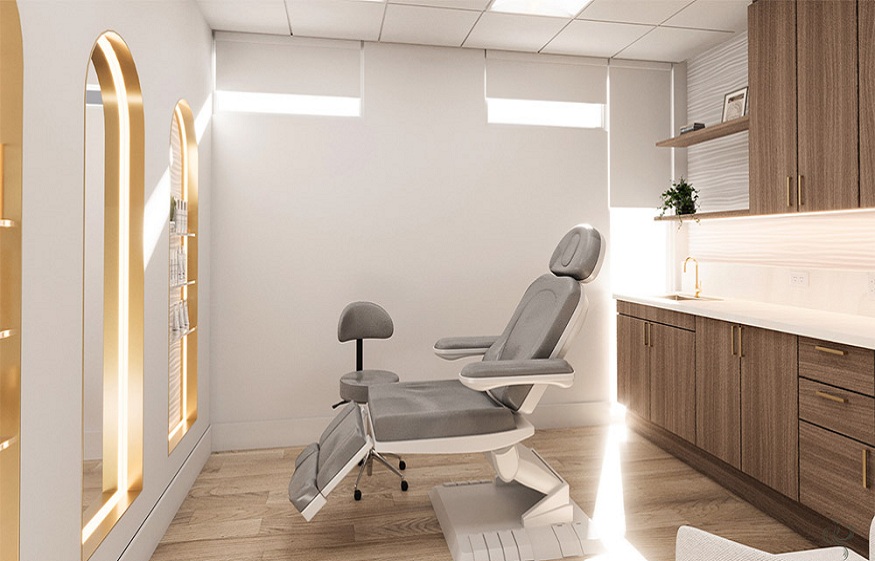
Creating a spa space that soothes the senses requires more than just luxurious treatments or indulgent massages—it’s about the overall ambiance. From the moment guests enter, they should feel calm, grounded, and ready to relax. A truly rejuvenating spa experience begins with thoughtful design, balancing aesthetics and functionality, while integrating natural elements to calm the mind and soothe the body.
In this post, we’ll explore how to design indoor and outdoor spa spaces that foster relaxation through sensory balance. By using elements like natural light, calming colours, comfortable furnishings, and serene outdoor lounges, you can create a spa environment that enhances the overall guest experience. Whether you’re working with a large spa retreat or a smaller boutique setup, these ideas can help transform your space into a tranquil haven.
1. Natural Light and Ambiance
The way light interacts with a space can have a profound impact on how calming or energising it feels. For spa settings, natural light is key to creating an inviting and serene atmosphere. Large windows, skylights, or glass doors allow sunlight to flood the space, creating a sense of openness and tranquillity.
If you’re working with indoor areas where natural light is limited, consider installing soft, diffused lighting that mimics natural daylight. Avoid harsh, fluorescent lighting that can feel clinical or overstimulating. Instead, opt for warm, low-level lighting that casts a gentle glow over the space, creating a calming ambiance for guests.
For outdoor spa spaces, such as patios or garden lounges, integrating natural light is effortless during the day, but it’s important to think about the transition into the evening. String lights, lanterns, or subtle LED fixtures can enhance the ambiance, offering a soft, intimate glow after sunset. Candles and fire pits also add a flicker of warmth and light, creating a cosy, relaxed vibe.
2. Calming Colours and Textures
Colour plays a huge role in shaping mood and energy levels, and for a spa environment, it’s essential to choose a palette that promotes relaxation. Soft, muted tones such as pale blues, greens, greys, and earth tones help create a serene and tranquil setting. These colours are known to reduce stress and evoke a sense of calm.
Incorporating natural textures is just as important as choosing the right colour scheme. Earthy materials like wood, stone, and bamboo can give the space a grounded and organic feel. Consider adding wooden accents, stone walls, or bamboo panels to the design. For outdoor areas, stone or wood decking and natural planters help the space blend seamlessly with its surroundings.
Don’t forget to integrate softness into your design. Cushioned seating, plush rugs, and soft throws can make the space feel more inviting. In outdoor spa lounges, cushions in earthy tones combined with cosy blankets can offer guests a relaxing spot to rest between treatments or enjoy the fresh air.
3. Comfortable Furnishings for Relaxation
Comfort is paramount when designing a spa space. Guests come to a spa to unwind, and ensuring that they have comfortable places to sit or lie down is crucial. Soft, oversized chairs, chaise lounges, and cushioned benches invite guests to relax fully and escape the outside world.
Consider a mix of seating arrangements, from intimate nooks for quiet reflection to larger communal spaces where friends can relax together. In the treatment rooms, beds or massage tables should be plush yet supportive, and seating in waiting areas should feel just as luxurious.
For outdoor spa spaces, furniture made from durable materials that can withstand the elements is essential. Recycled plastic furniture is a fantastic choice for outdoor lounges and patios. It’s eco-friendly, low-maintenance, and weather-resistant, providing the perfect balance between comfort and sustainability. Plus, it comes in a variety of designs and colours to fit seamlessly into any aesthetic, helping to create an outdoor environment that’s both stylish and mindful of the environment.
Read More: The Best Areas to Buy Property in Sydney Right Now
4. The Power of Nature
One of the best ways to soothe the senses is by integrating nature into the design of a spa space. Biophilic design—incorporating natural elements into the built environment—has been shown to reduce stress and improve mood. This can be achieved through natural materials, indoor plants, water features, and even views of outdoor greenery.
Incorporate potted plants, vertical gardens, or hanging greenery into your indoor spa areas to create a lush, serene environment. For outdoor spaces, a well-manicured garden or natural surroundings can offer guests a tranquil escape. The sound of rustling leaves, birds, and water flowing can further enhance the sense of calm.
Water features, such as fountains or indoor waterfalls, are another excellent way to bring the soothing sounds of nature inside. The gentle trickle of water can have a calming effect, helping guests unwind while adding to the spa’s overall ambiance.
5. Serene Outdoor Lounges and Patios
Outdoor spaces play a critical role in enhancing the spa experience. Whether it’s a dedicated relaxation area, meditation garden, or poolside lounge, creating a serene outdoor environment can elevate your spa’s offerings.
When designing outdoor spaces, consider how they flow from the interior. Large sliding doors or open-air walkways can help create a seamless transition from indoor to outdoor relaxation areas. For seating, use comfortable, weather-resistant furniture that’s inviting and encourages guests to linger.
To further enhance the sense of tranquillity, use natural elements like stone pathways, wooden decking, and native plants to create an organic, harmonious space. Water features, like a pool or reflecting pond, can add to the peaceful ambiance, making the outdoor areas feel like a true retreat.
Additionally, consider the privacy of your outdoor spaces. Use screens, tall plants, or trellises to shield guests from external distractions. Creating small, private nooks where guests can meditate or relax undisturbed will help them feel fully immersed in the spa experience.
Read More: The Value of Expert Real Estate Brokers in Dubai’s High-End Market
6. Scent and Sound: Engaging the Senses
Scent and sound can both be powerful tools in creating a calming spa atmosphere. Incorporating aromatherapy into the design, whether through essential oil diffusers, scented candles, or natural fragrances like lavender or eucalyptus, can instantly evoke a sense of calm.
Equally important is sound. Soft, ambient music or nature sounds—like rain, birdsong, or ocean waves—can help guests relax and feel more connected to their surroundings. Avoid harsh or loud noises that might detract from the peaceful atmosphere.
For wider commercial, hospitality, or public-facing projects, small supporting details can make the finished space feel more complete. Composite decking can provide a durable, low-maintenance surface for terraces, entrances, outdoor seating areas, and customer-facing spaces; while hand dryers can support cleaner, more efficient washroom facilities; while traditional signage can add character, direction, and brand presence; while digital signage can share changing information, promotions, menus, or wayfinding updates clearly.
Conclusion
Designing spa spaces that soothe the senses is about creating harmony between aesthetics and function. By balancing natural light, calming colours, comfortable furnishings, and serene outdoor areas, you can craft a space where guests truly unwind. From the thoughtful use of recycled plastic furniture to incorporating biophilic design, every detail should contribute to a calming, welcoming atmosphere that encourages relaxation at every turn. Whether inside or outside, your spa can become the ultimate retreat.